HOW IT WORKED
Seat, beam and water
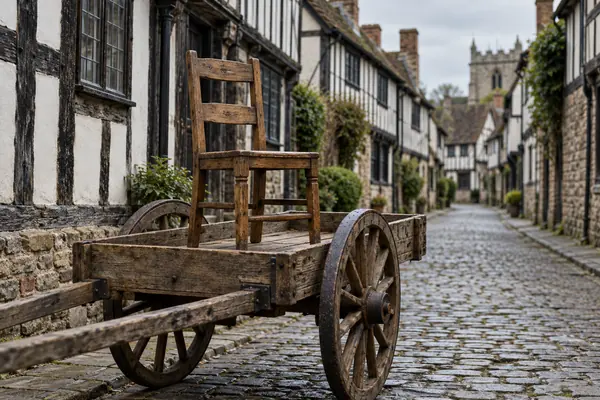
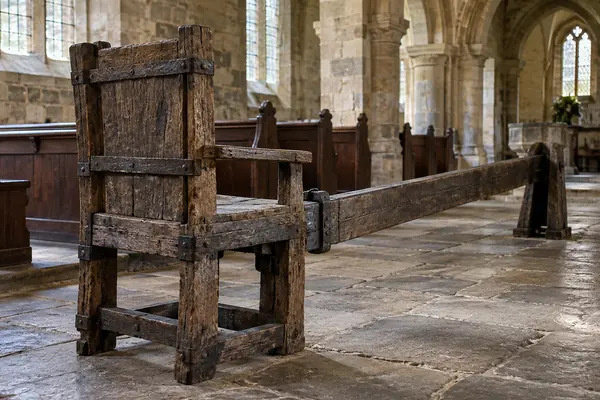
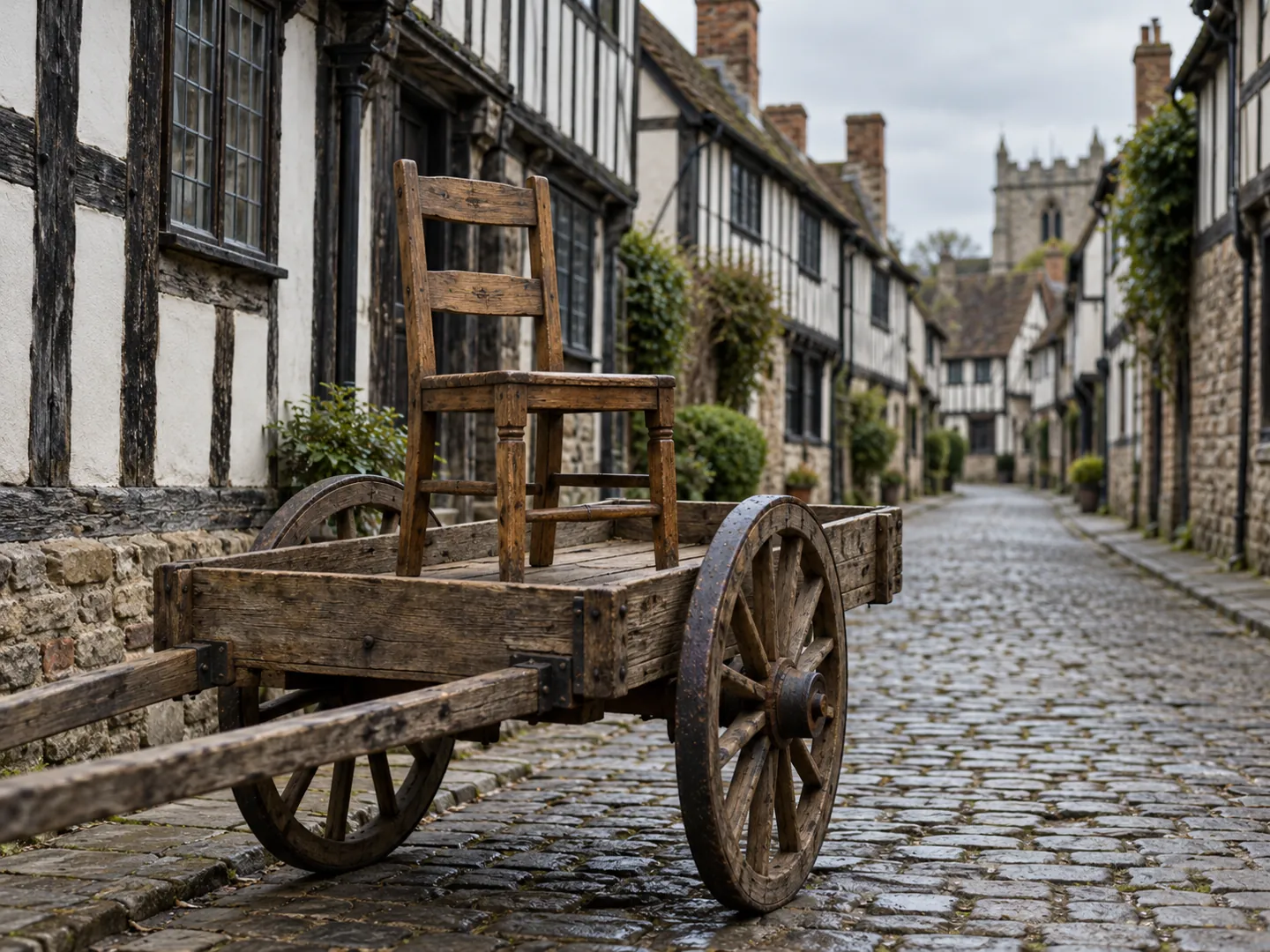
The offender sat in a chair, often wheeled through town, then lowered into the river from a beam. Some stools were fixed on a swivel at the water's edge.
Sort the stools doodledunks
Start
WHAT THE RECORDS SAY
Before police and prisons, many towns kept a chair by the river.

The ducking stool plunged scolds and short-measure traders into a river or pond in front of their neighbours. It was meant to shame rather than kill, and its peak ran from about 1550 to 1700.
LAST DUCKEDEngland, 1809
Sort the stoolsKeep in mind
THE SHORT ANSWER
Three things the records show
about the ducking stool.
HOW IT WORKED
The offender sat in a chair, often wheeled through town, then lowered into the river from a beam. Some stools were fixed on a swivel at the water's edge.
Sort the stoolsWHO WAS DUCKED
Mostly women called scolds, but also butchers, bakers, brewers and apothecaries who cheated on measures or sold poor food.
See the datesSTILL TO SEE
Leominster's stool has stood in the Priory church since 1895. In Canterbury a restored stool is Grade II listed for sociological interest.
Read the evidenceA QUICK SORTING GUIDE
Three practices get muddled together. Pick one to see what it was. The bar shows how much water was involved.
Based on Smithsonian Magazine, Herefordshire Through Time and World Wide Words.
TWO DATES WORTH KNOWING
One date for the last ducking,
one for the end of the offence.
1809
Last recorded ducking in England
Herefordshire Through Time says the last recorded ducking in England was at Leominster in 1809. A second attempt there in 1817 failed because the river was too low.
LAST DUCKING · HEREFORDSHIRE
1967
Year the common scold offence was abolished
Section 13 of the Criminal Law Act 1967 abolished the common law offence of being a common scold in England and Wales, along with eavesdropping and being a common barrator.
THE LAW · CRIMINAL LAW ACT
Smithsonian Magazine quotes a University of York historian placing the ducking stool's peak between about 1550 and 1700. In Barnsley, parish accounts record nine repairs to two stools between 1703 and 1737.
HOW WE KNOW
Few records survive about the people who were ducked. Much more survives about the stools themselves, and that is where the history is clearest.
Step 1
Payments for building and repairing stools show they were kept and used, as with Barnsley's nine repair entries.
Step 2
A 1745 ducking at Kingston upon Thames, ordered by a court, was reported in a London paper with a crowd of 2,000 to 3,000.
Step 3
Leominster Priory shows its stool beside the pews, and listed records describe others, such as Canterbury's.
Step 4
Stories of the last people ducked mix local folk history with short passages in old books, so treat the details with care.
A WARNING ON THE CHAIR
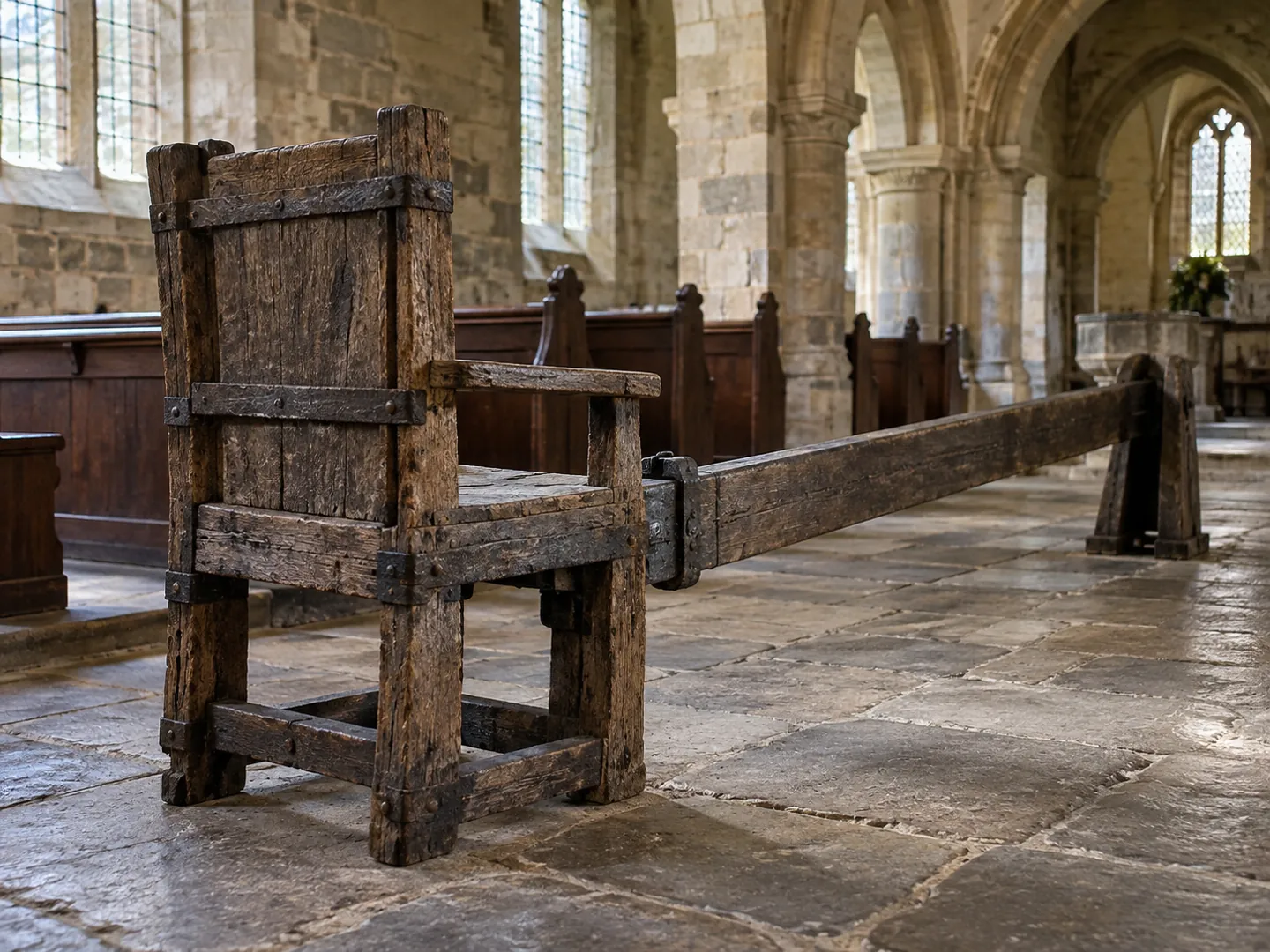
Canterbury's restored ducking stool, a wooden beam with a chair at the end, carries a legend warning unfaithful wives and also butchers, bakers, brewers, apothecaries and all who give short measure. Its listing says it was last used in 1809.
The warning shows the stool punished trade as well as talk. Herefordshire Through Time lists butchers, bakers, apothecaries and brewers who cheated on measures or sold inferior food among those who could be ducked.
Questions
A chair fixed to the end of a long wooden beam, used to dunk an offender in a river or pond in front of a crowd. Towns used it mostly on women accused of being scolds, and on traders who cheated on measures or sold poor food. It was meant to shame rather than kill, though it could kill. Its peak ran from about 1550 to 1700, and the last recorded ducking in England was at Leominster in 1809.
No. Smithsonian Magazine notes that swimming a suspected witch was a separate test, in which a bound person was thrown into water. Ducking a scold was a punishment.
A cucking stool was a seat of public shame without dunking. A ducking stool lowered the offender into water. The names are often confused because one evolved from the other.
Mostly women accused of being scolds, but also traders such as butchers, bakers, brewers and apothecaries who cheated on measures or sold inferior food.
The last recorded ducking in England was at Leominster in 1809. In 1817 another woman was paraded there, but the river was too low to duck her.
No. Section 13 of the Criminal Law Act 1967 abolished the common law offence of being a common scold in England and Wales.
In Leominster, the town's ducking stool has been kept in the Priory church since 1895 and now stands in an aisle beside the pews. In Canterbury, a restored stool, a wooden beam with a chair at the end, is Grade II listed for its sociological interest.
Destination
Updated
ABOUT THIS NAME
doodledunks.com is part of the DoodleSale portfolio. It isn't in an auction right now, but you can ask about leasing it.